
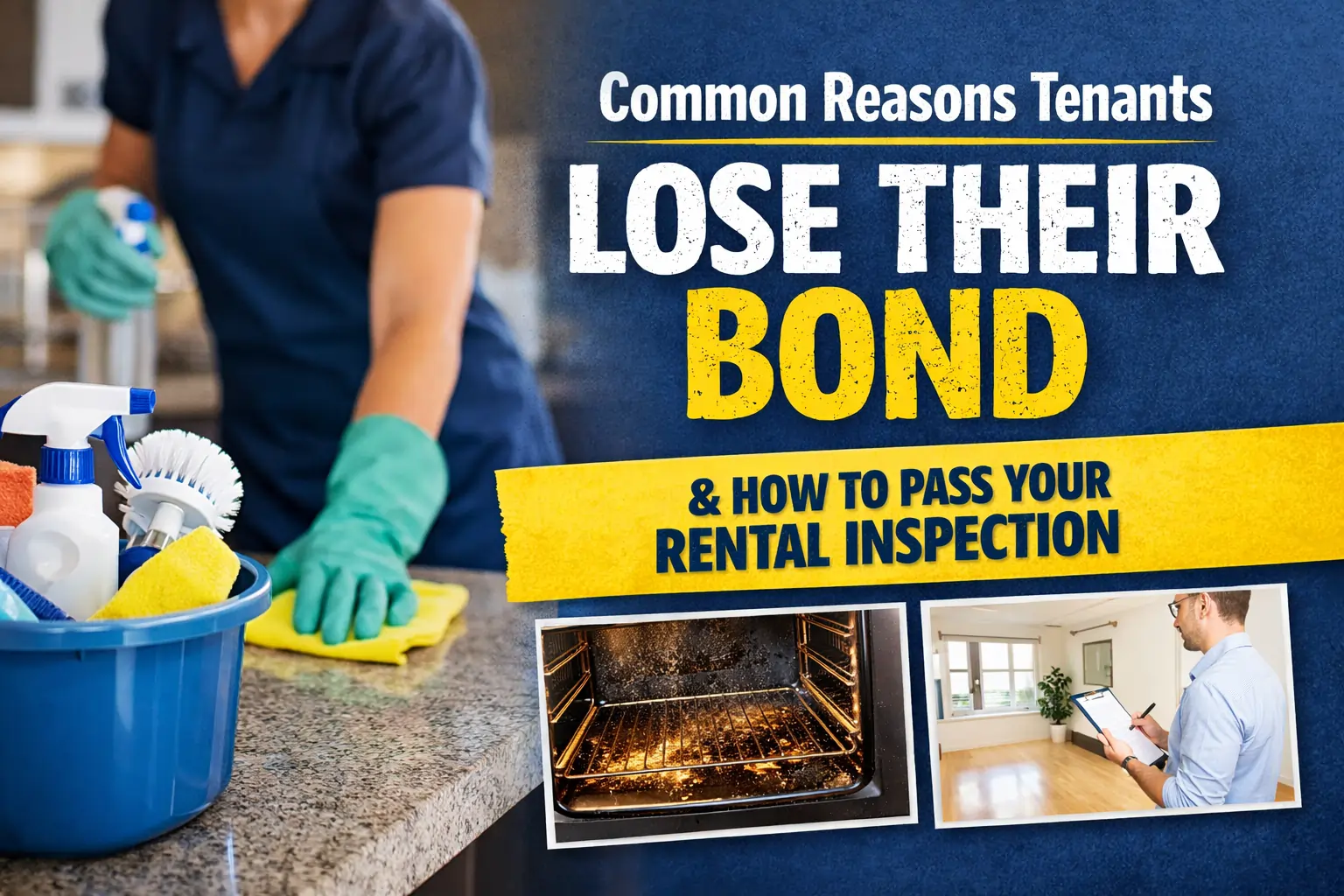
Moving out of a rental property can be stressful—especially when your bond money is on the line. In Australia, thousands of tenants lose part or all of their bond every year due to avoidable issues, most of which are linked to cleaning and inspection failures.
Understanding why tenants lose their bond and knowing how to pass a rental inspection the first time can save you time, money, and unnecessary disputes.
In this guide, Best Bond Cleaners explain exactly what property managers look for, the most common mistakes tenants make, and how to prepare your property to inspection standards.
Your bond is held as financial security to ensure the property is returned in the same condition it was at the start of the tenancy, allowing for fair wear and tear.
Most bond deductions happen due to:
The good news? Most bond issues are preventable with proper preparation and professional cleaning.
This is the number one reason tenants lose their bond. Property managers compare the property’s condition against the original entry condition report.
Common problem areas include:
Tip: General cleaning is not the same as bond cleaning. Rental inspections require a detailed, checklist-based clean.
Carpets are closely inspected during final inspections. Tenants often lose bond money due to stains, pet hair, odours, or skipping professional carpet steam cleaning when required.
Many real estate agencies require receipt-based carpet cleaning, especially if pets were kept.
The kitchen is one of the most scrutinised areas. Hidden grease inside ovens, dirty rangehood filters, and food residue inside cupboards commonly lead to bond deductions.
Bathrooms must be returned spotless and hygienic. Mould in grout, soap scum on shower screens, dirty exhaust fans, and stained toilets are common inspection failures.
Scuff marks, dusty skirting boards, and finger marks on doors and switches are often overlooked and can result in cleaning deductions.
Damage such as holes in walls, broken fixtures, burn marks, or missing fittings is not considered fair wear and tear and may result in repair costs being deducted from your bond.
Leaving cleaning until the last minute often results in missed areas and failed inspections, leading to re-clean costs after keys are returned.
The entry condition report is the benchmark for your final inspection. Ensure the property matches its original condition, excluding fair wear and tear.
A proper bond clean includes:
If required by your lease, arrange carpet steam cleaning and keep the receipt for inspection.
Repair small issues such as nail holes, loose handles, and broken bulbs before inspection.
Professional bond cleaners understand inspection standards, use commercial equipment, and clean areas tenants often miss.
Moving out soon? Professional bond cleaning can significantly improve your chances of a full bond return.
Many tenants underestimate inspection expectations. Professional bond cleaning helps meet real estate checklists, reduces stress, saves time, and minimises disputes.
At Best Bond Cleaners, services are designed specifically for end-of-lease inspections, not general house cleaning.
It’s not legally mandatory, but highly recommended to avoid inspection failures and bond disputes.
The property manager may request a re-clean or arrange cleaners and deduct the cost from your bond.
Often yes, especially if pets were kept. Always check your lease agreement.
The property must match the entry condition report, excluding fair wear and tear.
Most bond cleans take between 4–8 hours depending on property size and condition.
Losing your bond is often the result of small, preventable cleaning issues. Preparing properly and meeting inspection standards can help you avoid unnecessary disputes.
Moving out soon?
Book professional bond cleaning with Best Bond Cleaners and ensure your rental property meets inspection standards.